

So…we hear that many parents are surprised to learn that a child can pass a regular eye exam and still struggle with visual skills that affect their learning. This is because having clear vision is different from having eyes that work well together. Even if someone can see clearly, it does not always mean their eyes are functioning properly as a team.

We know it can be difficult to tell whether certain behaviours are related to attention or learning challenges, or if they are actually linked to visual discomfort. However, with vision issues, children may not always be able to explain what they’re experiencing, so the signs often show up in their behaviour and daily activities.
Here are some signs you may notice:
- Avoid reading or homework,
- Lose their place while reading,
- Skip lines or words,
- Constant eye rubbing,
- Tilting their head while reading, or
- Struggle with concentration.
These are common symptoms. A thorough eye exam will reveal the cause and how it can be treated.
What Happens During a Vision Therapy Assessment?
Now, all this talk about the assessment… but what does it actually look like?
The truth is, every optometrist customizes the evaluation based on the patient’s needs, symptoms, and what they observe during testing. This also includes how many sessions are required, how often visits are needed, and what specific areas to focus on during Vision Therapy.
A Vision Therapy assessment is more detailed than a regular eye exam. The purpose of the assessment is to evaluate how well the eyes work together and how the brain processes visual information.
During the assessment, the optometrist may evaluate:
- Eye teaming and coordination,
- Focusing ability,
- Eye tracking skills,
- Depth perception,
- Visual processing,
- Peripheral awareness and,
- Reading-related visual skills.
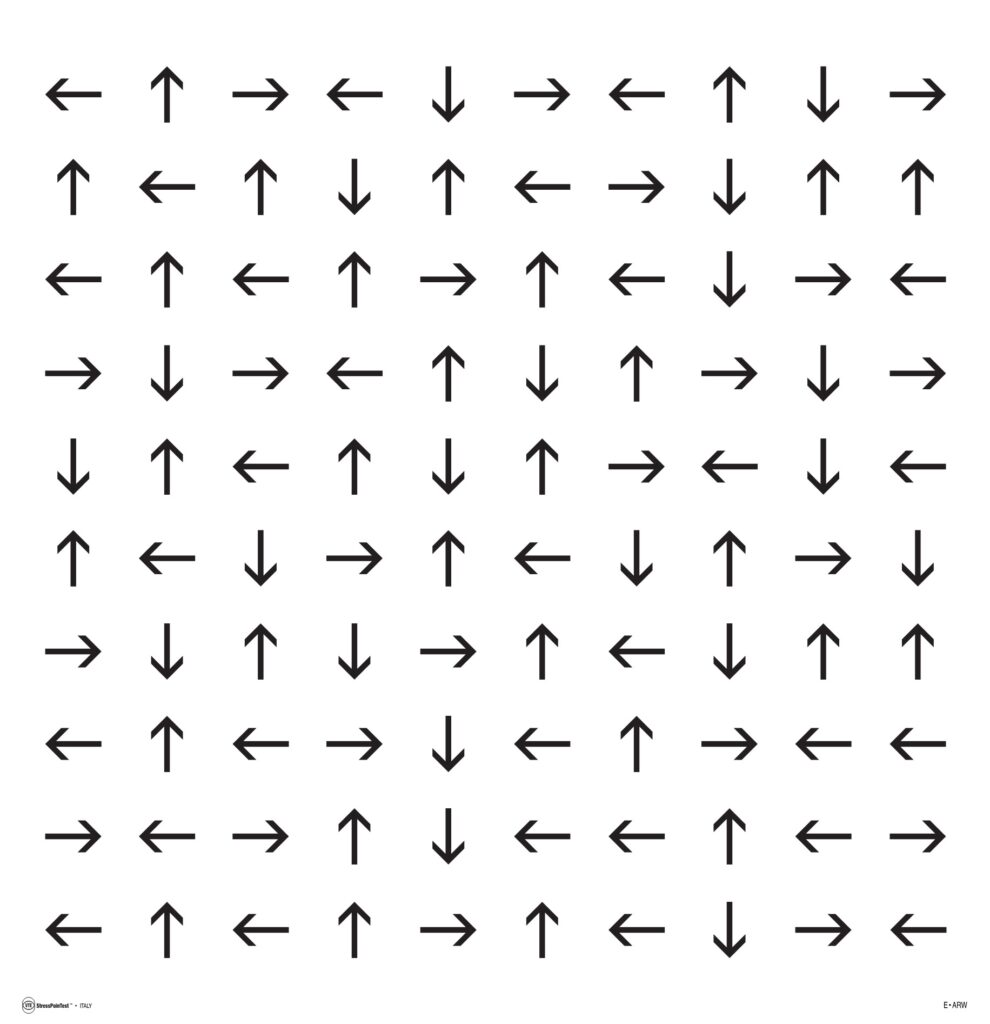
The patient may be asked to follow moving objects, read letters at different distances, use special lenses, or complete visual coordination activities. Many of these tests are interactive, fun for children which makes it feel more like a game or activity.
Why Early Detection Matters:
When visual tasks feel uncomfortable or exhausting, children may begin avoiding reading, homework, or any activity in general. This may affect their confidence, academic performance, and learning experiences.
According to the Ontario Association of Optometrists, 1 in 4 school-aged children may have an undetected vision problem that can impact learning and development. So, early detection and treatment can help children feel more comfortable during visual tasks and provide the support they need.
Bottom Line:
Vision Therapy is not an instant solution, It requires consistency, patience, and effort. However, it can make a big difference in visual comfort, reading ability, concentration, and everyday life.
For more information, concerns or inquiries, or to book your next eye exam, get in touch with inFocus Vision Care. It all begins with you taking care of your eyes!